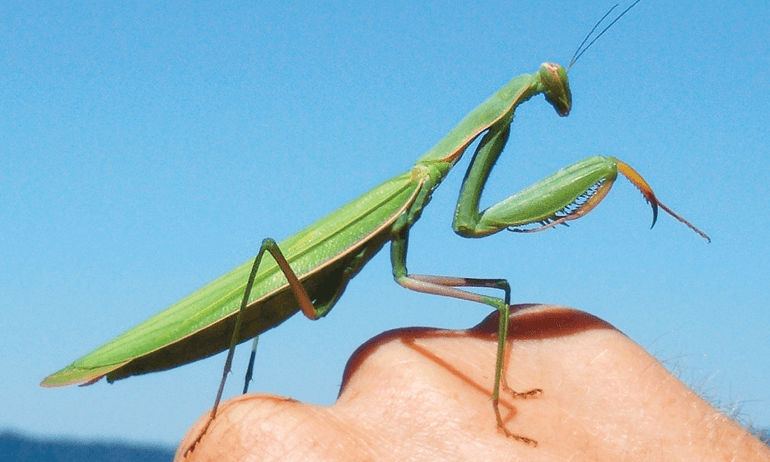
 Many of us just have small chunks of time these September days. But the weather is great for working outdoors. So let's think about Ninja Gardening--focused projects that knock out a priority job in less than an hour (some in mere minutes). Here are my top five:
A Container Salad/Herb Garden: Winter is dark. Winter is muddy and might require a coat and boots for a foray into the garden. So even if you have beds full of winter veg, it's nice to have a container by the kitchen door for grabbing things for dinner (that you forgot to harvest until dinner was already underway.) I like to have salad stuff up out of the mud and near the lights of the house―lettuce, endive, mizuna, green onions. I like to have herbs like thyme and rosemary in pots, close enough that I can run out and grab them while dinner is on the stove. Pull out those dying petunias, work in compost and kelp meal, and plant winter lettuce. It will only take minutes. You'll be happy in December. Compost Pile: It is so satisfying to cut down dead stuff and make a big pile. It's so clever to make your own free fertilizer for next spring. And it is so utterly disastrous when mites and diseases spend the winter on your dead plants instead of getting cooked to death in the compost pile. Trust me: mite, thrip, and aphid eggs build up if you don't compost the plants they live on. Throw used mulch on the pile too. Where to put this compost pile? On the bed where you'll grow tomatoes, corn, or zucchini next summer. It will prevent weeds and fertilize the bed for you. Put your Containers to Bed: Containers (and raised beds) are filled with soil you have to buy, so it's worth a couple of minutes to keep the soil in place and weed-free. Large containers can get next year's fertilizer from a cover crop. Just sow clover or cover crop mix now, under the plants that are still there. (You can do this in the garden at large as well―rough up the soil, broadcast cover crop seed wherever you can reach, under tomatoes, etc. Rake in or mulch lightly. You're done in minutes.) Smaller Pots are Easy: If they won't have anything in them over the winter, cut down the summer flowers. If there are weeds, leave them. If not, cover the surface with dead leaves, weeds, etc. Water one last time. Now, use the drip tray under the pot as a lid. Just turn it upside down over the pot. Without light, the weeds can't grow. Next spring, worms will have turned the dead plant matter into rich soil. And your potting mix will not be washed away or compacted, either. Bulbs: Garlic is one of those things that is so good fresh, and so terrible to run out of. Softneck types keep longer and can be braided, but stiffneck types give you those delicious green garlic stalks to eat. You might want both. And while you're at it, put some daffodil bulbs under your fruit trees to help repel gophers (and make spring cheerful.) Poke holes 4” apart with a stick, rebar, trowel, whatever. Throw a garlic clove in each. Use a rake to cover all the holes in a swipe or two. Ninja gardener! This is the first of two posts. You can also read Return of the Ninja.
3 Comments
Jill Tramontano
9/14/2019 10:46:05 am
Thank You Jamie !! The Ninja approach.... especially helpful; putting your beds to bed. ; )) 9/14/2019 02:28:13 pm
Glad it helps! I have to remind myself all the time to break big intimidating jobs up into small bites......so I thought other folks might appreciate a reminder too. Leave a Reply. |
AuthorJamie Chevalier lives and gardens on a river in the Coast Range of Northern California. She has gardened professionally in Alaska and California, as well as living in a remote cabin, commercial fishing, and working with seeds. She is the proprietor of Quail Seeds. Archives
July 2024
|

- Home
-
Shop
- Plant for Summer
-
Vegetable Seeds
>
- Arugula
- Beans
- Beets
- Broccoli and Cima di Rapa
- Cabbage
- Carrots & Roots
- Celery
- Chard
- Corn
- Cucumber
- Eggplant
- Fennel
- Genepools and Landrace Gardening
- Greens
- Kale and Collards
- Lettuce
- Melons
- Oil Crops
- Okra
- Open-Source Seeds (OSSI)
- Onions and Leeks
- Peas
- Peppers
- Spinach
- Squash & Pumpkins
- Sunflowers
- Tomatoes
- Tomatillos/Husk Cherries
- Turnips and Rutabagas
- Perennial Vegetables >
- Flower Seeds
- Herb Seeds >
- Seed Collections
- Pollinator and Pest Control Plants >
- Grains >
- Cover Crops >
- Open Source (OSSI)
- Start these Indoors
- People behind the Seeds >
- Companion Plants
- Recipes >
- Fast, Fresh Food
- Plant for Spring >
- Plant for Fall >
- About Us.
- Blog
- HOW-TO
- Mid-to-Late Summer Sowings
 RSS Feed
Proudly powered by Weebly
- Home
-
Shop
- Plant for Summer
-
Vegetable Seeds
>
- Arugula
- Beans
- Beets
- Broccoli and Cima di Rapa
- Cabbage
- Carrots & Roots
- Celery
- Chard
- Corn
- Cucumber
- Eggplant
- Fennel
- Genepools and Landrace Gardening
- Greens
- Kale and Collards
- Lettuce
- Melons
- Oil Crops
- Okra
- Open-Source Seeds (OSSI)
- Onions and Leeks
- Peas
- Peppers
- Spinach
- Squash & Pumpkins
- Sunflowers
- Tomatoes
- Tomatillos/Husk Cherries
- Turnips and Rutabagas
- Perennial Vegetables >
- Flower Seeds
- Herb Seeds >
- Seed Collections
- Pollinator and Pest Control Plants >
- Grains >
- Cover Crops >
- Open Source (OSSI)
- Start these Indoors
- People behind the Seeds >
- Companion Plants
- Recipes >
- Fast, Fresh Food
- Plant for Spring >
- Plant for Fall >
- About Us.
- Blog
- HOW-TO
- Mid-to-Late Summer Sowings