|
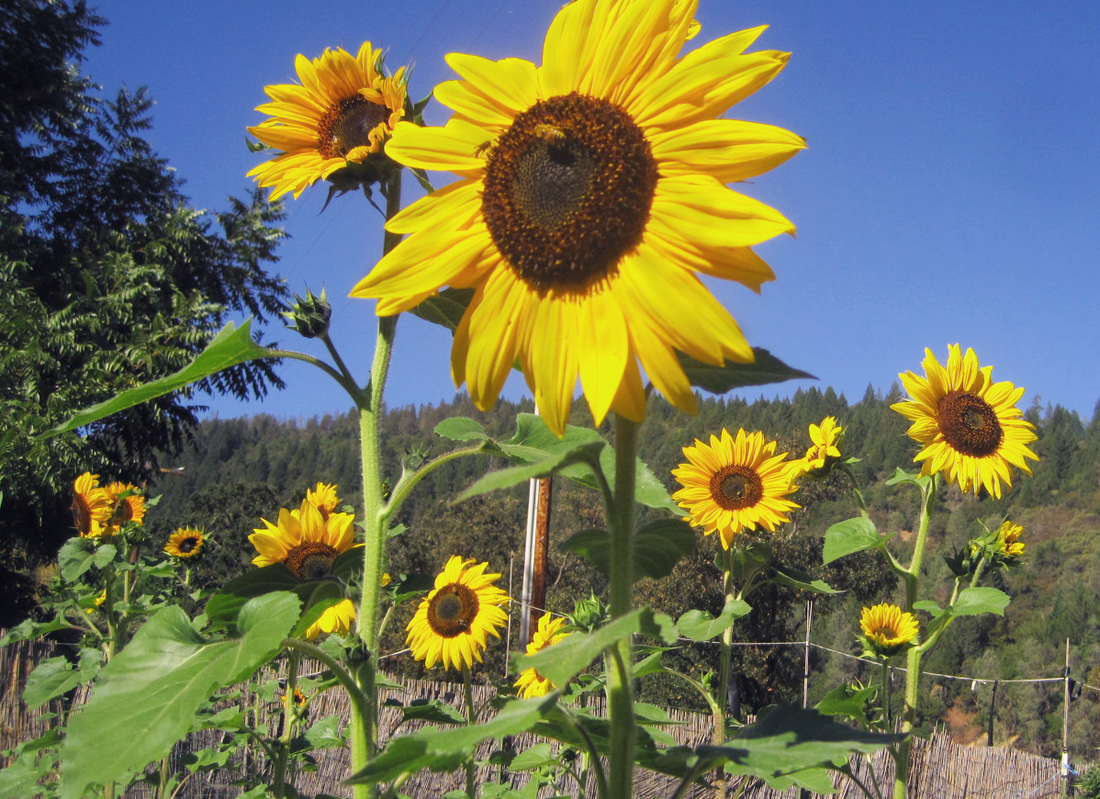
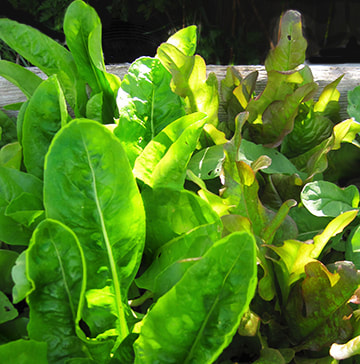
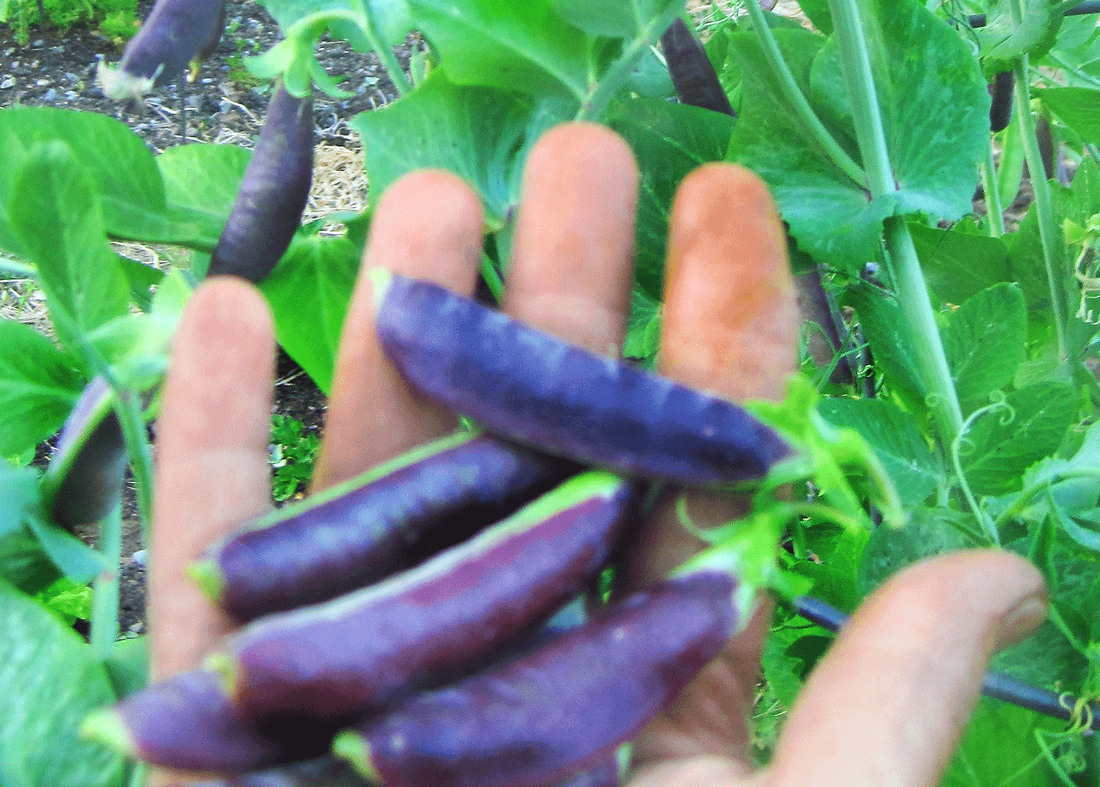
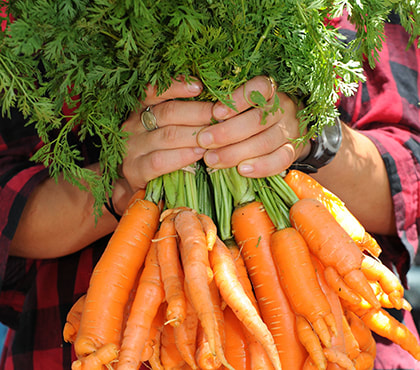
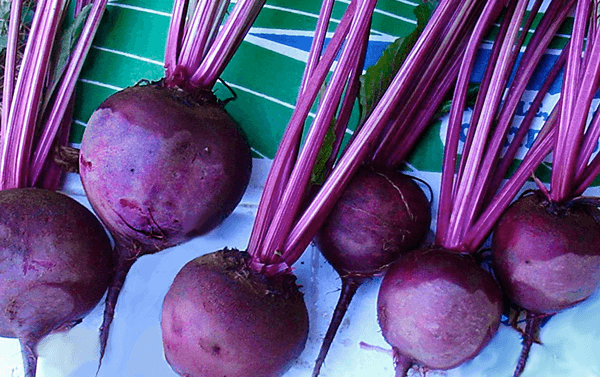
This time of year, different places may have wildly different conditions, from almost-summer to lingering-winter. But the sequence is the same, no matter where we are along it. There are many things you can plant almost everywhere in April-May. Here's a breakdown. Plant these Almost Anywhere in April Spring crops are the most important focus now--their planting window is limited. If you're in a warm zone, do a good big sowing before it's too hot. If you're in a cold zone, make first sowings, remembering that spring crops can take some frost. Even if it's quite warm out, make sure the soil is moist, not soggy, before you plant. Test it by grabbing a handful of dirt and squeezing. Does water come out like wringing a sponge? Don't plant yet. Next, nudge the ball of soil. If it crumbles, you're good. If it sticks together in a gooey ball, wait. Waterlogged soil will make your seeds rot. Greens: Spinach, lettuce, Asian greens, mustard greens, cima di rapa. Peas: Sow every two weeks. Early sowings should be trellised for pea production. You can still make sowings into summer for harvest as pea shoots for salad and light cooking. Roots: Get carrots in before the soil dries out--they love a wet start. Parsnips take a long time to sprout and need a long season, so get them going. Both of them (and parsley too) sprout much faster if you soak the seeds for 4-6 hours before planting and rinse well. Don't leave them soaking more than 24 hours max. Rinse well and plant. It's also planting time for beets, turnips, burdock, onions and leeks. Summer crops that want a cold start: Some plants from cold-winter regions are programmed to start in cold soil even though they grow and produce all summer. Sunflowers, quinoa, and calendulas are all best planted in April, even where it's still cold. Grains like barley and spring wheat are also in this category. Transplanting: Watch your Dates & Weather Crops that are normally transplanted outdoors after sowing inside need to get used to outdoor conditions gradually. Even after your last frost date, nights will be much colder outdoors. Wind and weather put further stresses on seedlings. Cold-hardy crops like cabbage, kale, broccoli, and Brussels Sprouts need minimal adjustments, and can go outdoors while light frost is still a possibility, but it's best to avoid windy or very hot days. Tomatoes, beans, squash, corn, and other tender crops should not go outside until at least your last frost date. (Find it here) Peppers, melons, eggplant, and cucumbers are best planted into very warm soil--at least 2 weeks after your last frost date, when the weather is settled and the soil is quite warm. Before planting, pull mulch aside to let the soil warm up, and let your potted transplants "practice" being outside by putting them outdoors for longer and longer periods over the course of a week. Covering them at night is also a possibility for "hardening off," as the process of adaptation is called. Direct-Sowing Tender Crops The same conditions apply for direct-sowing in the garden as for transplants. I like to sow large-seeded crops like squash, corn and beans directly into garden soil, waiting until the soil is warm after my last frost date is past. Take time to work in compost first. 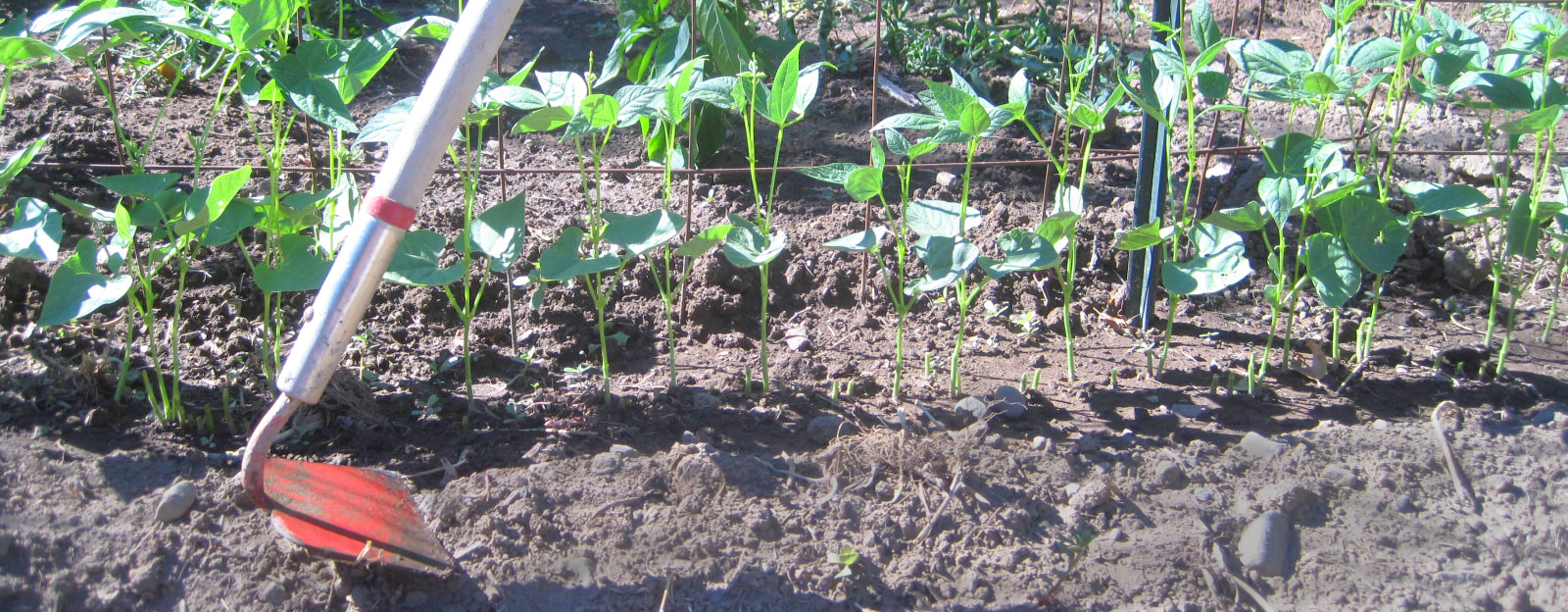
0 Comments
Leave a Reply. |
AuthorJamie Chevalier lives and gardens on a river in the Coast Range of Northern California. She has gardened professionally in Alaska and California, as well as living in a remote cabin, commercial fishing, and working with seeds. She is the proprietor of Quail Seeds. Archives
July 2024
|

- Home
-
Shop
- Plant for Summer
-
Vegetable Seeds
>
- Arugula
- Beans
- Beets
- Broccoli and Cima di Rapa
- Cabbage
- Carrots & Roots
- Celery
- Chard
- Corn
- Cucumber
- Eggplant
- Fennel
- Genepools and Landrace Gardening
- Greens
- Kale and Collards
- Lettuce
- Melons
- Oil Crops
- Okra
- Open-Source Seeds (OSSI)
- Onions and Leeks
- Peas
- Peppers
- Spinach
- Squash & Pumpkins
- Sunflowers
- Tomatoes
- Tomatillos/Husk Cherries
- Turnips and Rutabagas
- Perennial Vegetables >
- Flower Seeds
- Herb Seeds >
- Seed Collections
- Pollinator and Pest Control Plants >
- Grains >
- Cover Crops >
- Open Source (OSSI)
- Start these Indoors
- People behind the Seeds >
- Companion Plants
- Recipes >
- Fast, Fresh Food
- Plant for Spring >
- Plant for Fall >
- About Us.
- Blog
- HOW-TO
- Mid-to-Late Summer Sowings
 RSS Feed
Proudly powered by Weebly
- Home
-
Shop
- Plant for Summer
-
Vegetable Seeds
>
- Arugula
- Beans
- Beets
- Broccoli and Cima di Rapa
- Cabbage
- Carrots & Roots
- Celery
- Chard
- Corn
- Cucumber
- Eggplant
- Fennel
- Genepools and Landrace Gardening
- Greens
- Kale and Collards
- Lettuce
- Melons
- Oil Crops
- Okra
- Open-Source Seeds (OSSI)
- Onions and Leeks
- Peas
- Peppers
- Spinach
- Squash & Pumpkins
- Sunflowers
- Tomatoes
- Tomatillos/Husk Cherries
- Turnips and Rutabagas
- Perennial Vegetables >
- Flower Seeds
- Herb Seeds >
- Seed Collections
- Pollinator and Pest Control Plants >
- Grains >
- Cover Crops >
- Open Source (OSSI)
- Start these Indoors
- People behind the Seeds >
- Companion Plants
- Recipes >
- Fast, Fresh Food
- Plant for Spring >
- Plant for Fall >
- About Us.
- Blog
- HOW-TO
- Mid-to-Late Summer Sowings